Aroma
Intense and rich, displaying floral aromas of jasmine,
honeysuckle, and blossom. These are layered with vibrant notes of lime,
lychee, mango, and a delicate hint of cartridge paper.
Appearance
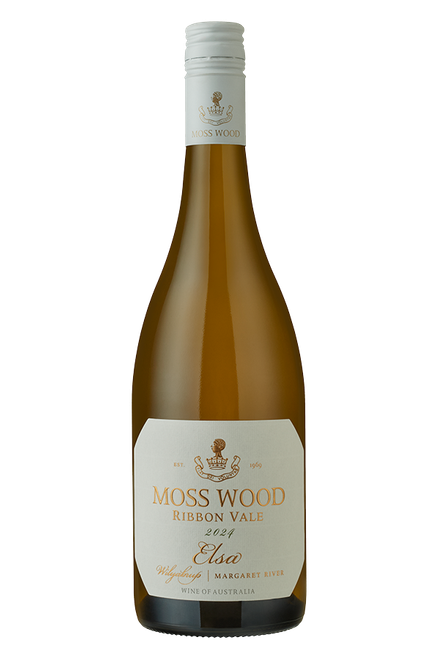
Clear and bright condition. Pale gold.
Palate
Full-bodied and bursting with concentrated fruit flavours,
highlighted by lychee, guava, lemon rind, and white peach. A creamy
texture and fine, powder-like tannins are signature characteristics of
this wine, complemented by complex notes of lemon cheesecake,
butterscotch, and custard tart. Zesty acidity provides balance and
precision, leading to a long, intense finish.
Vinification
Both the Chardonnay and Sauvignon Blanc were hand-picked and
brought to the winery, where they underwent the same winemaking
process. The fruit was hand-sorted and whole-bunch pressed before the
juice was clarified by flotation and inoculated with a selection of yeast
strains for primary fermentation in stainless steel tanks. Fermentation
temperatures were closely monitored, reaching a maximum of 20°C. As
the fermentations reached the halfway mark, they were transferred to
225-litre French oak barriques for the completion of alcoholic and
malolactic fermentation. The new oak component in each wine varied
slightly due to our considerations around stylistic impacts, so 10% of the
barrels in the Elsa were new, compared 47% in the Chardonnay being
new.
Once alcoholic fermentation was complete, both wines remained in
barrel for the completion of malolactic fermentation before being
blended, adjusted with sulfur dioxide, and returned to barrel for
maturation. They remained in oak until January 3rd, 2025, spending a
total of nine months, before final blending in stainless steel. While
fining trials were conducted to refine tannin balance, no adjustments
were deemed necessary. Instead, both wines were fined with bentonite
for protein stability, followed by cold stabilisation and sterile filtration,
before being bottled on January 15th, 2025.
Cellaring Potential
The Elsa has the structure and intensity to mature gracefully, with a
recommended cellaring period of at least 10 years to allow it to develop
complex layers of roasted nuts, beeswax, and brioche. That said, its
vibrant freshness makes it equally enjoyable in its youth.
Vintage Notes
Looking back, the 2024 vintage stands as a reminder of what Margaret
River is capable of in warm, dry years. If history is any guide, it may
well be remembered alongside 1995 as one of the greats.